Team reviewing business documents

Ai Integration

AI consulting for companies ready to actually use it

Practical AI integration for mid-market businesses, not enterprise transformation theater or custom software development. For companies that bought the tools and need help making them work the way the business actually operates.

  • Connective google rating
  • Connective design rush rating
  • Connective yelp rating

Your company bought AI tools. 
Nobody’s using them.

You rolled out ChatGPT licenses six months ago. Usage spiked for two weeks, then flatlined. Everyone else forgot their password. Or one person figured something out and it’s stuck with them. No system, no documentation, no way to spread it. Or leadership knows AI matters but nobody can articulate what to actually do about it.

The pattern is almost always the same. Companies don’t fail at AI because the technology is lacking. They fail because nobody translated it into how their business actually runs.

How we think about 
AI integration

We’re a company that operationalized AI inside our own business first, across sales, marketing, project management, finance, and operations. Three years of daily use figuring out what actually works versus what looks good in a demo.

  •  Guardrails and controls icon

    Workflow first, not technology first

    We start by understanding what your people actually do all day. What takes too long, what’s tedious, what gets dropped. AI serves the work.

  • Process automation icon

    Adoption over sophistication

    The best AI setup is worthless if three people use it. We’ve lived through every stage of adoption with our own team and build for all of them.

  • Workflow automation icon

    Capability, not dependency

    Your team learns to build their own solutions. The companies getting the most value also keep us in the room for ongoing strategy and new use cases.

  • Team communication icon

    Honest about what works

    Some problems are process problems, not AI problems. We’ll recommend against an AI solution when a workflow tweak or a checklist would do the job.

Learn More About Our Approach

What’s included

Four parts that build on each other. Tool selection shapes workflow design, workflows inform training priorities, and training reveals what custom solutions to build.

Tool selection and environment setup

Claude, ChatGPT, Gemini, Copilot. They all have different strengths and we use them all daily. We’ll recommend based on what your team actually does, not which platform has the best marketing.

Setup includes team workspace configuration, permissions, privacy controls, and connecting AI to your existing platforms. CRM, project management, communication tools, file storage. The goal is AI that meets people where they already work instead of adding another login to the pile.

A typical example: someone finishes a sales call. The transcript comes out of your recording tool. Instead of 45 minutes writing a follow-up brief, a purpose-built AI workflow (we call these “skills”) reads the transcript, pulls out decisions, identifies action items, and generates a brand-aligned summary in 30 seconds.

Other patterns build the same way: spreadsheet data turned into interactive reports, proposals that pull from your CRM and past conversations, weekly digests that surface what matters from communication channels, timesheet review systems that flag inconsistencies. Each automation informs the next because we’re learning how your business operates. Everything gets documented so your team can maintain and extend it.

Some people on your team have already nerded out on this stuff. Others are barely interested. Both are normal, and we’ve coached through both ends of that spectrum with our own crew.

Training covers the shift that matters most: from treating AI like a search engine (“give me the answer”) to treating it like a thinking partner (“help me think through this”). How to evaluate whether output is actually good or just sounds good. How to iterate instead of accepting the first response. We calibrate to where each person sits, directors who need to know what’s possible, new hires who need to get productive fast, marketers who need AI amplifying their expertise rather than replacing it.

Purpose-built tools tailored to how your business operates.

For sales teams: a meeting prep skill that takes five inputs and generates a branded brief with priorities, discovery questions, competitive positioning, and a recommended strategy. Ready in 90 seconds.

For marketing teams: a brand intelligence system that gives your team a queryable knowledge base of positioning, voice, audience research, and competitive context. Drafts pull from actual customer language mined from sales transcripts instead of guessing what resonates.

What is a Brand Intelligence System?

For operations: onboarding tools that let new hires query your SOPs conversationally. Commission processing that cross-references invoicing against deal registries. Daily accountability monitoring across team channels.

These aren’t templates. They’re built on your specific data, processes, and communication style, and they get smarter through feedback loops as your team uses them.

When AI integration makes sense

Honest guidance about which service fits your situation.

  • AI integration is the right move

    Your team has tried AI tools but adoption stalled, one champion figured it out and you need it to spread, or leadership wants a practical roadmap. Continue exploring AI integration

  •  
  • Start with AI visibility instead

    Your interest is specifically about being found by AI platforms when buyers research your category. Different problem, different solutions. Explore AI visibility services

  •  
  • Broader marketing leadership

    AI is one piece of a larger puzzle. You need strategic guidance across marketing, team building, and growth planning. AI integration fits naturally inside a fractional marketing leadership engagement. Explore fractional marketing leadership

  •  
  • Not ready yet

    No budget, internal politics blocking adoption, or leadership not aligned. Better to wait than invest in tools nobody will use. Contact us when timing improves

How AI integration work actually happens

Every engagement is customized to your situation, but the sequence stays consistent. Same five-phase framework we use for every service, calibrated to what your team actually needs.

Discover

Starts before we meet. We send a structured discovery guide covering workflows, pain points, and how your team spends their time. Then we review your existing documents, tools, org structure, and processes. The kickoff meeting includes live demos to build excitement and get buy-in early. Individual deep dives with 3-5 people follow. Not “tell us about your pain points.” More like “walk me through yesterday.” The real friction shows up in specifics, not summaries.

We synthesize everything into prioritized use cases. Not every problem deserves an AI solution. We present our recommendations and you approve before we build anything. No surprises. No wasted effort on skills nobody asked for.

Custom skill creation tailored to your business, language, and frameworks. Environment setup with your IT team. Integration with the platforms your company already uses. We build, you test, we refine. Everything is built in your environment so your team owns it from day one.

Hands-on training sessions where people use real data, not demos. At least one session focused specifically on how to think about creating skills, not just using the ones we built. We designate an internal champion who learns to deploy, modify, and create new skills independently. You also receive an AI Enablement Guide covering how to use everything, build new skills, and best practices.

Refinement based on real-world usage. What’s clunky gets fixed, what’s missing gets added. Final leadership check-in connecting adoption to business outcomes. Then light support for two weeks while everything settles. From there, most clients move into an ongoing retainer to keep the momentum building.

How AI integration compounds

AI integration stands alone when that’s what you need. But the work gets more valuable when connected to your broader operations. AI integration is one part of our strategic advisory practice.

AI integration + Marketing

A brand intelligence system means your marketing team creates content aligned with strategy without starting from scratch every time. Blog drafts, social posts, campaign concepts, email sequences, all informed by your actual brand DNA and customer language.

AI integration + Sales

Sales teams create the adoption momentum that spreads AI usage to other departments. New hire ramp time gets compressed because institutional knowledge becomes queryable instead of locked in senior people’s heads.

AI integration + Operations

Hours saved multiplied by what those hours are worth. Timesheet review, commission processing, financial reporting, leadership dashboards. Automating the administrative overhead that keeps your best people from doing their actual jobs.

See all strategic advisory services

I’m not an engineer. I’m a business owner who figured out how to make AI work for my own company and started teaching others. The difference: I ask ‘how does this make you money?’ instead of ‘what should we build?’ That thinking spread across our team, where our people build their own skills, solve their own problems, and bring that same fluency to every client engagement. When we show you what’s possible, it’s not a demo. It’s how we actually work.

— Rodney Warner, Founder & CEO

When something else should come first

If AI is meant to amplify marketing or sales content, brand foundation comes first so the tools have real language to pull from. If leadership isn’t yet aligned on what marketing should accomplish, marketing strategy comes before AI tools that will execute against it. For operational use cases (sales prep, financial reporting, internal coordination), most teams can start with AI integration directly. We’ll tell you which lane fits your situation in the discovery call.

Person using a laptop

Case Studies

Results, not just skills built

Business outcomes from practical AI integration. Real companies that operationalized AI without the enterprise transformation theater.

KAM Case Study Thumbnail

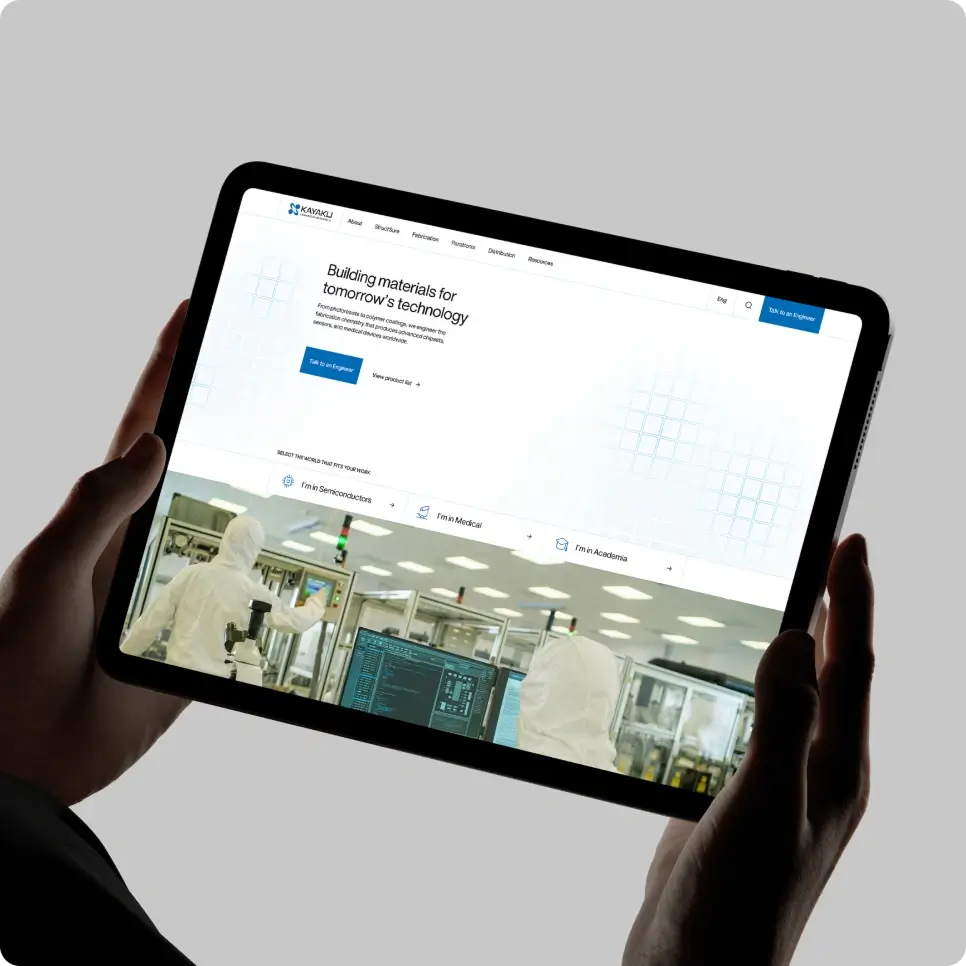
Specialty materials manufacturer unifies three brands and launches an AI-powered mascot

FCS Case Study Thumbnail

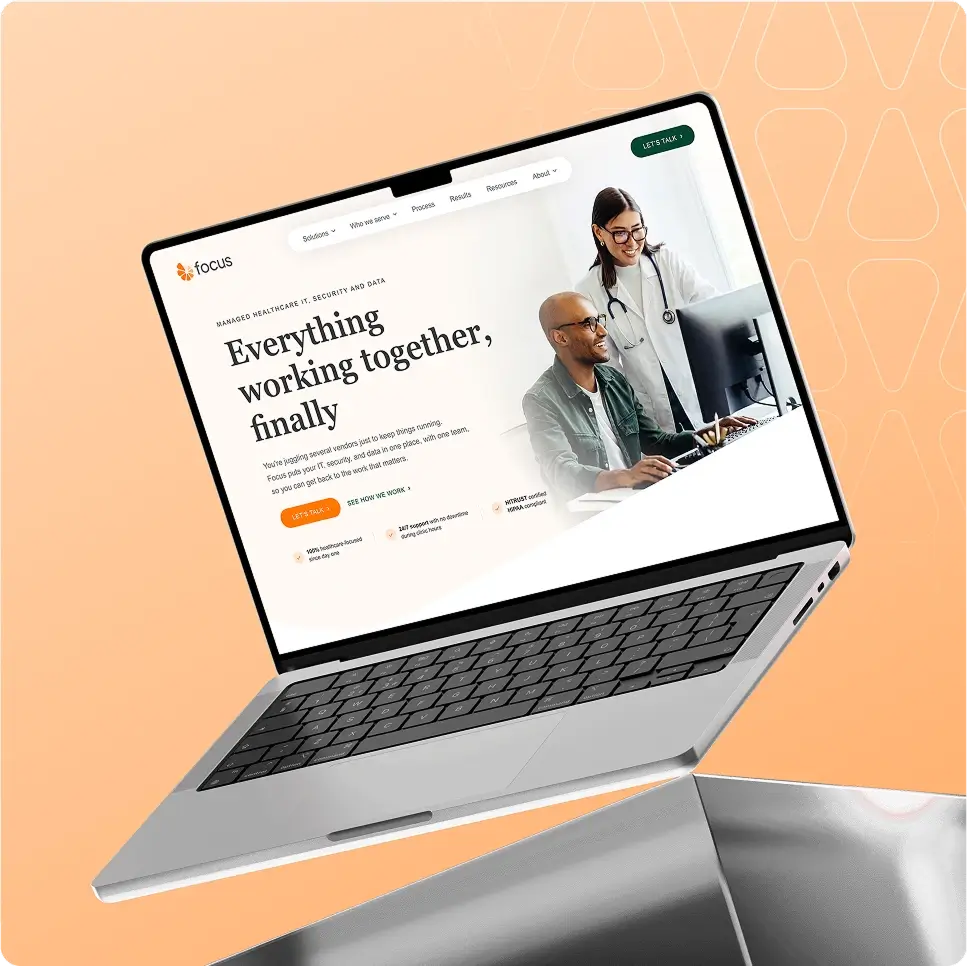
Healthcare IT company goes from invisible to category-defining brand and market presence

TDI Case Study Thumbnail

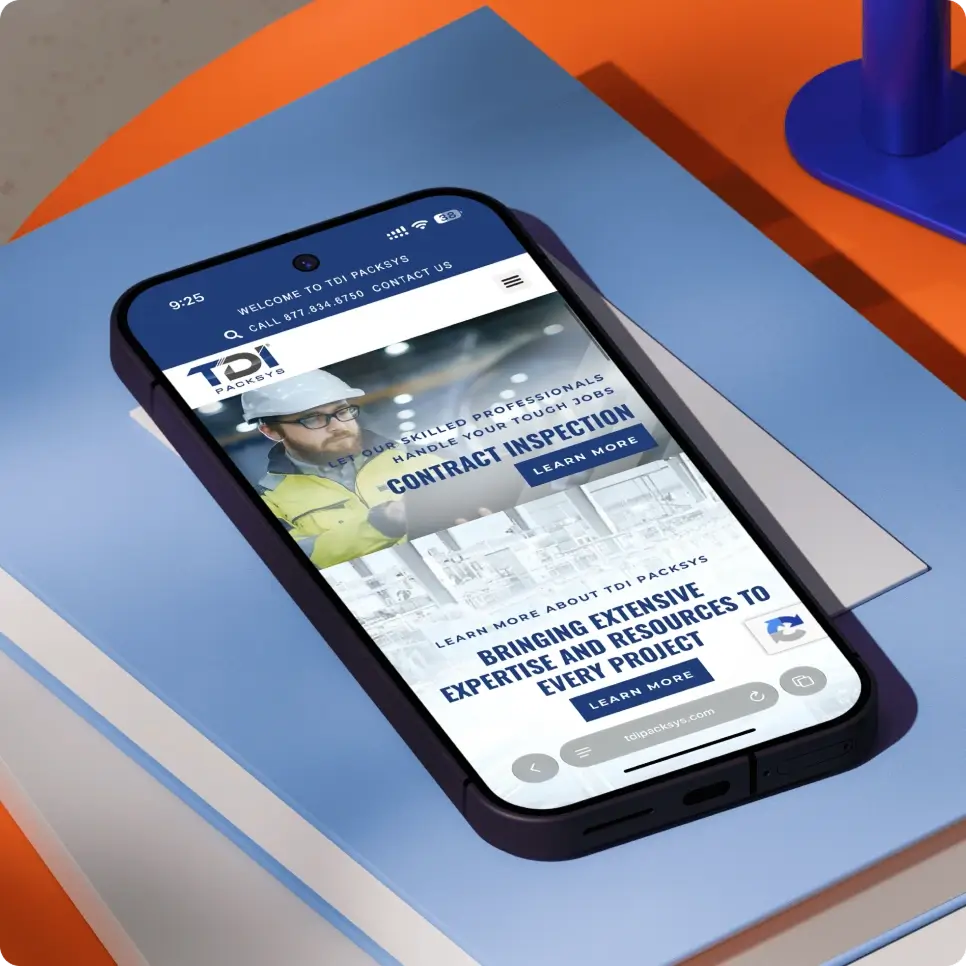
Food inspection company turns website into a lead engine (600% organic growth since 2021)

Who we’re for

AI integration works when certain conditions are in place: leadership alignment, a willingness to invest in adoption rather than just tools, and operational complexity that actually benefits from AI. We’ve learned to recognize these patterns early, and we’ll surface concerns in discovery rather than after engagement starts.

We’re ideal for

  • Mid-market companies ($5M-$200M) with enough operational complexity for AI workflows to matter
  • Organizations with process-heavy knowledge work: documents, proposals, reporting, client communication, internal coordination
  • Teams with existing AI tools that aren’t being used to their potential
  • Marketing directors who want AI to amplify their team’s output without losing brand consistency
  • Leaders who understand this is a behavior change project, not a software purchase
  • Companies willing to start with a few high-impact use cases and expand from there

We’re not ideal for

  • Companies wanting custom machine learning models or enterprise AI platform development. Different service entirely.
  • Organizations where leadership isn’t aligned. Without top-down support, adoption stalls regardless of tool quality.
  • Teams expecting fully autonomous AI that replaces human judgment. That’s not where the technology is.
  • Buyers prioritizing the cheapest option. Cheap AI consulting produces shelfware.
  • Leaders willing to pay for tools but not for the training and workflow changes that make them useful.

If the fit is wrong, we’ll tell you early. If you need something we don’t offer, we’ll point you to someone who does.

Let’s talk fit

Transparent pricing

Investment

$10K – $25K+

  • Fixed-price program scoped during discovery
  • Most engagements land here; multi-department rollouts scope higher
  • Optional $3K/month retainer for ongoing coaching, new skill builds, and additional support. Hourly available for smaller needs.

Timeline

6-8 weeks

  • Discovery through handoff for initial engagement
  • Longer for multi-department rollouts
  • Two weeks of light support included after launch

Payment

50/50

  • 50% at kickoff, 50% at midpoint
  • Fully paid before training begins

No surprises, no hidden fees. AI platform subscriptions ($20-$30 per user per month) are separate; we’ll walk you through this during scoping.

What drives investment

  • Team size and scope Single department versus company-wide AI adoption
  • Existing tool environment Starting from scratch versus building on existing platforms and workflows
  • Custom solution complexity Training and coaching only versus purpose-built skills and automation tools
  • Integration requirements Standalone AI tools versus connected systems (CRM, project management, communication platforms)
  • Ongoing support One-time engagement versus continued coaching and skill refinement

Frequently asked questions

Common questions about AI integration engagements, what they include, and what’s required for them to work.

Because the biggest challenge isn’t the technology. It’s getting people to actually use it. We’ve spent three years figuring out AI adoption with our own team. Every resistance pattern, every excitement curve, every plateau and breakthrough. Tech consultancies typically come from engineering backgrounds and think in terms of systems architecture. Because we’re operators and marketers first, we build AI tools that protect your brand voice and drive business outcomes. The output isn’t a roadmap document. It’s working tools your team uses tomorrow, plus the fluency to build more on their own.

Some use cases deliver value in the first week. Meeting prep, transcript analysis, and data visualization produce immediate wins. A simple ROI frame: if 10 salespeople each save a few hours a week on meeting prep, follow-ups, and research, the productivity gain exceeds engagement cost quickly. And that’s before the culture shift kicks in, when people start solving problems on their own that you didn’t even scope.

We set up team environments with proper privacy controls. Personal conversations stay personal. Shared skills and projects are accessible only to authorized team members. We default to read-only connections for external tools. AI platforms have their own data handling policies, and we’ll walk you through exactly what each one does with your information so you can make informed decisions.

That’s true for loose prompts. Purpose-built skills produce consistent results because they have structured instructions, defined output formats, and guardrails around critical content. Legal language, brand standards, pricing, and structural requirements get locked in. Variable content stays flexible. And skills improve over time through feedback loops. Your team flags what’s off, the skill gets updated, and the next output is better.

Not the use cases that actually pay off. The work AI handles well is administrative drag, repeated research, drafting from established patterns, and routine analysis. The work humans handle better is judgment, strategy, client relationships, and anything where context shifts faster than instructions can. Most teams find their best people get more time for the work only humans can do, because AI absorbs what was keeping them from it.

Yes, and this is where our background as a marketing agency matters. We understand content strategy, brand consistency, audience targeting, and campaign execution because that’s our core business. A brand intelligence system gives your marketing team a queryable knowledge base of your positioning, voice, and audience research. Content drafts that align with strategy instead of requiring heavy editing. Campaign concepts evaluated against brand DNA before you spend money.

A skill is a set of instructions that makes AI an expert on your specific business. One person triggers it, provides some input (a transcript, a company name, some notes), and gets a useful output (a branded PDF, a briefing document, a draft email, an interactive report). Behind the scenes, the skill has access to your playbooks, brand documents, competitive intel, and process knowledge. A skill is not a connected application, an automated workflow that runs on a schedule, or a custom software product. It’s a focused tool that makes one specific task dramatically faster and more consistent.

You keep everything. Skills, documentation, training recordings, configured environments. Your team can absolutely run independently. Most clients choose to stay connected through a monthly retainer that includes strategy calls, new skill builds, and ongoing support. That relationship is where the compounding happens, because we keep finding new opportunities as we learn more about your business. But it’s optional. If you want to take it from here, you’re equipped to.

Illustration of a person writing notes while holding a phone beside a calculator and desk items

Ready to make AI actually work?

You’ve rolled out AI tools and adoption stalled, or one champion figured something out and you need it to spread, or leadership wants a practical roadmap. Start with a conversation.

Most agency conversations start with what they want to sell you. Ours starts with whether AI integration is even the right move. We’ll cover current tools, team readiness, realistic use cases, and engagement structure.

If AI integration isn’t the right starting point, we’ll tell you what is. No pressure, no agenda beyond the right call for your business.

Houston-based, serving clients nationally.